Welcome Center
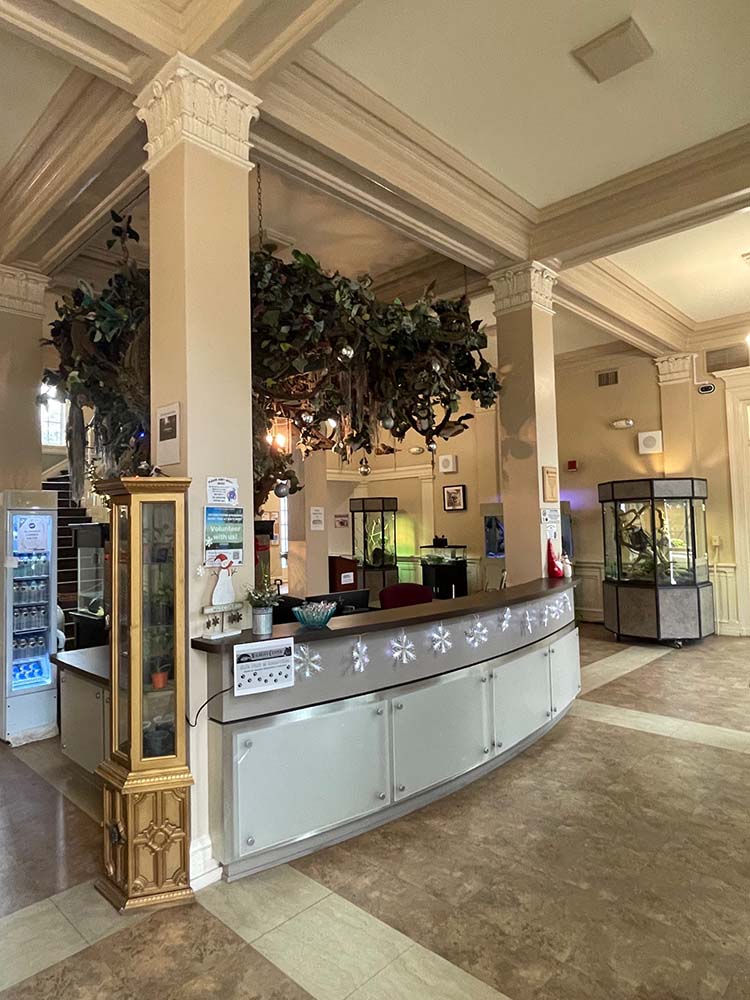
Welcome to Oatland Island Wildlife Center, where learning, conservation, and nature come together. As you begin your visit, we invite you to explore our trails, observe our animals, and engage with the natural world around you. Oatland Island offers hands-on experiences that inspire curiosity and deepen understanding of Georgia’s coastal ecosystems. We are glad you are here and hope your visit is both enjoyable and educational.
Small Aviary
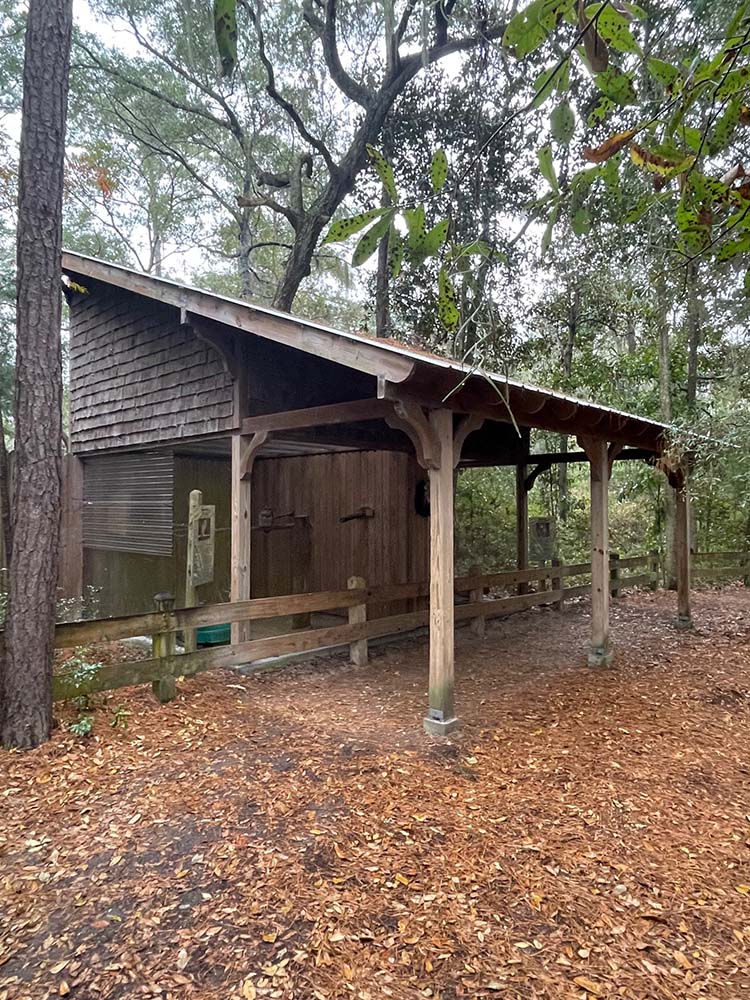
The Small Aviary at Oatland Island Wildlife Center provides a closer look at birds that thrive in forest and wetland habitats. These birds display a variety of adaptations, such as specialized beaks and feathers, that help them find food, build nests, and survive in their environment. Visitors may notice birds hopping, flying short distances, or calling to one another as they communicate and establish territory. This space helps highlight the important role birds play in ecosystems, including seed dispersal and insect control.
Alligator
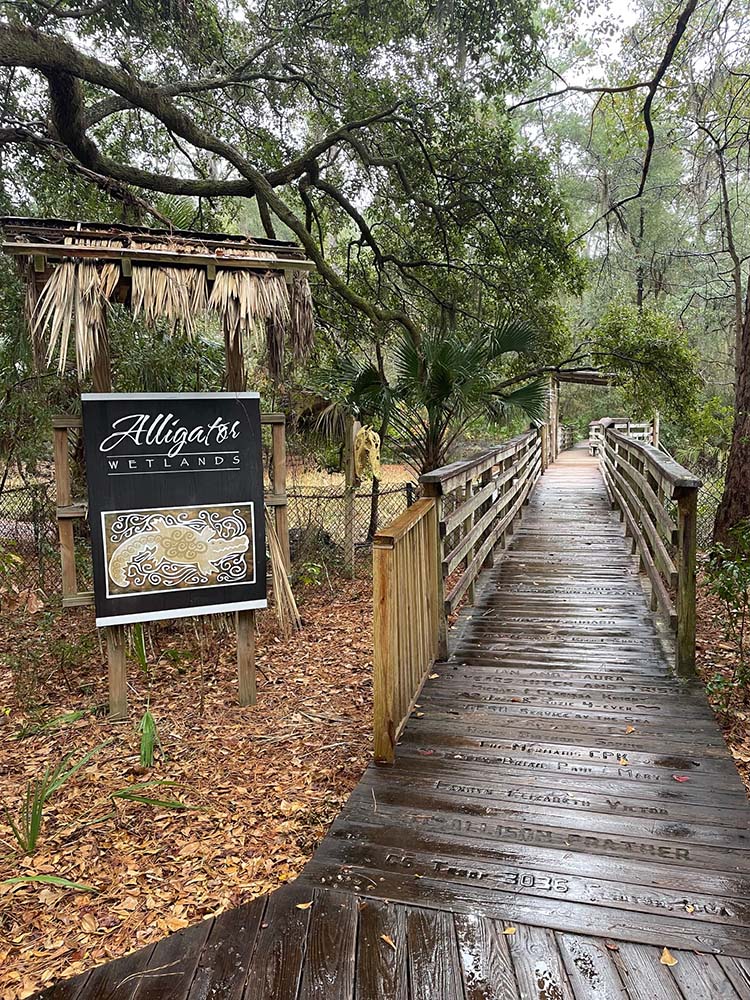
At Oatland Island Wildlife Center, our American Alligator is an important part of Georgia’s coastal ecosystem. These large reptiles are cold-blooded, meaning they rely on the sun to warm their bodies, and they spend much of their time resting along the water’s edge. Alligators are skilled predators that help keep animal populations in balance, especially fish and other aquatic species. While they may appear slow, alligators can move quickly when needed, so visitors are reminded to observe them from a safe distance and never feed wildlife.
Cougar
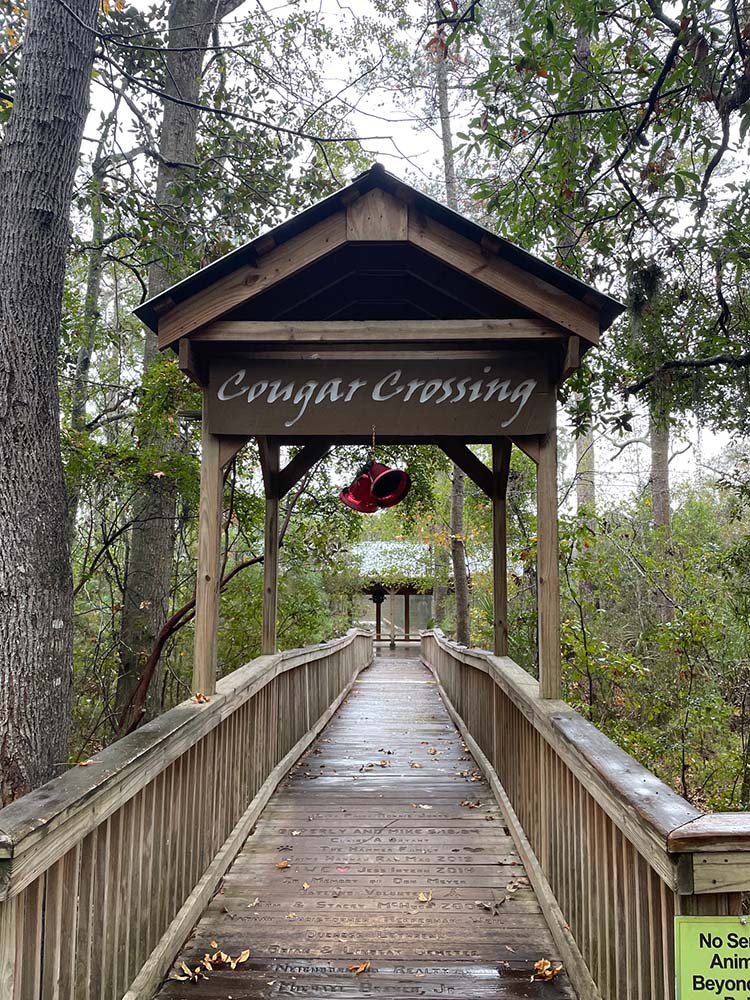
Cougars at Oatland Island Wildlife Center are powerful and agile predators, also known as mountain lions or pumas. These large cats are excellent jumpers and climbers, using their strong hind legs and long tails to maintain balance while moving through their environment. Cougars are solitary animals that rely on stealth to hunt, often stalking prey quietly before making a quick, precise attack. As important predators, they help maintain balance in ecosystems by controlling prey populations, and visitors are encouraged to observe them respectfully from a safe distance.
Bobcat
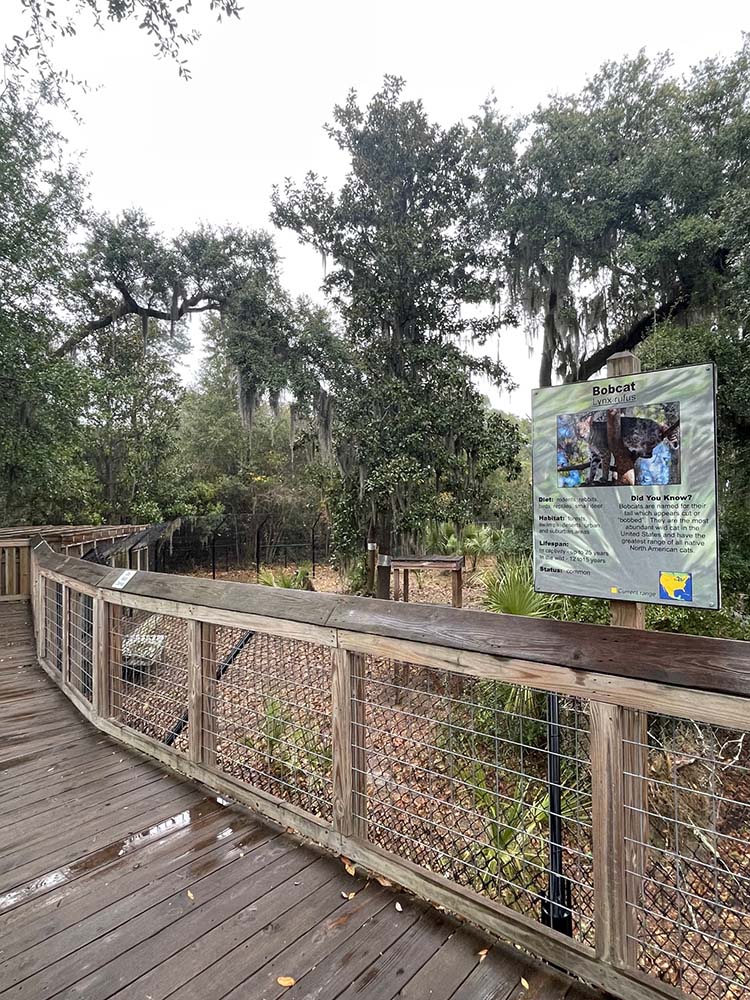
Bobcats at Oatland Island Wildlife Center are stealthy wild cats known for their keen senses and adaptability. Their spotted fur provides excellent camouflage, helping them blend into wooded and marshy habitats as they hunt. Bobcats are skilled predators that feed on small mammals and birds, using patience and quick bursts of speed to catch their prey. Because they are naturally solitary and most active during dawn and dusk, visitors may spot a bobcat resting quietly or moving silently through its habitat.
Fox
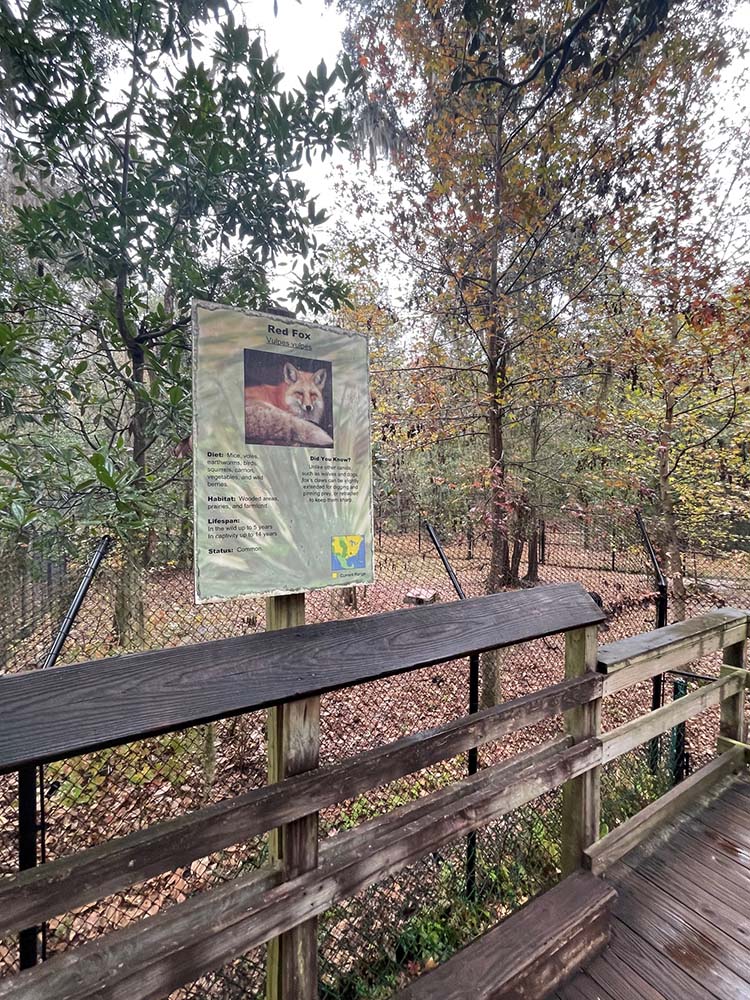
Foxes at Oatland Island Wildlife Center are highly adaptable mammals known for their intelligence and keen senses. With excellent hearing and a strong sense of smell, foxes are skilled hunters that feed on small animals, insects, and plants, making them omnivores. Their bushy tails help with balance and warmth, especially during cooler weather. Often most active at dawn and dusk, foxes may be seen moving quietly through their habitat, demonstrating behaviors that help them survive in a wide range of environments.
Barnyard
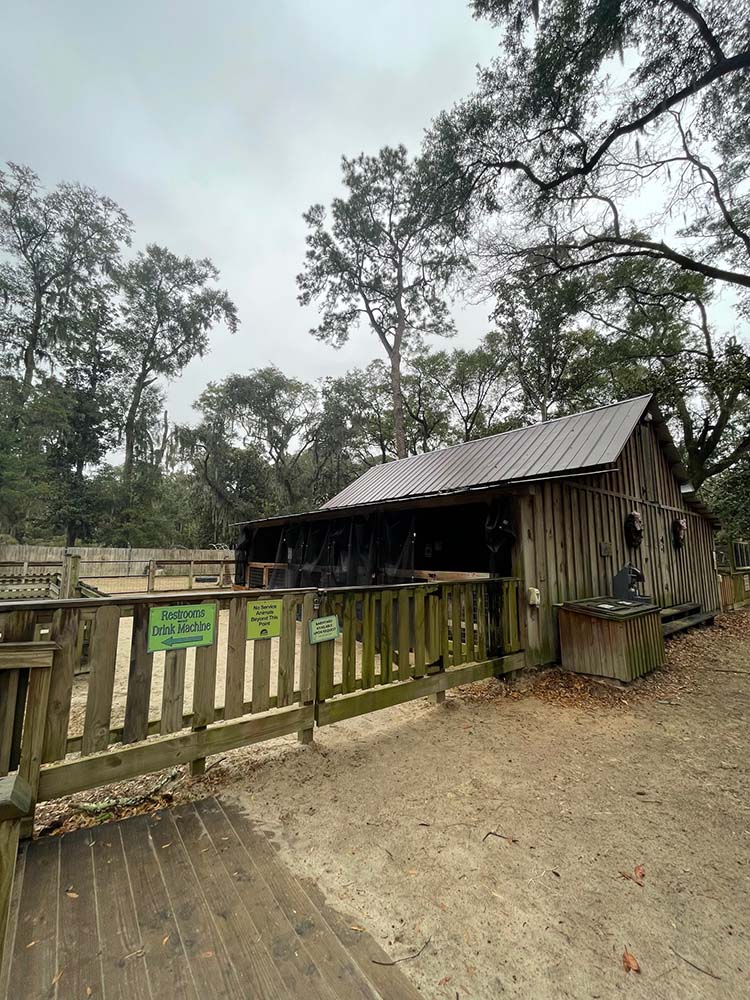
The barnyard area at Oatland Island Wildlife Center gives visitors a closer look at domesticated animals and their roles in human history. Animals in this area have been cared for by people for thousands of years and depend on humans for food, shelter, and protection. Barnyard animals display a variety of traits and behaviors that make them well suited for farm life, such as grazing, social grouping, and predictable daily routines. This space helps visitors understand the difference between wild and domesticated animals while highlighting the responsibility people have in caring for animals that rely on us.
Birds of Prey
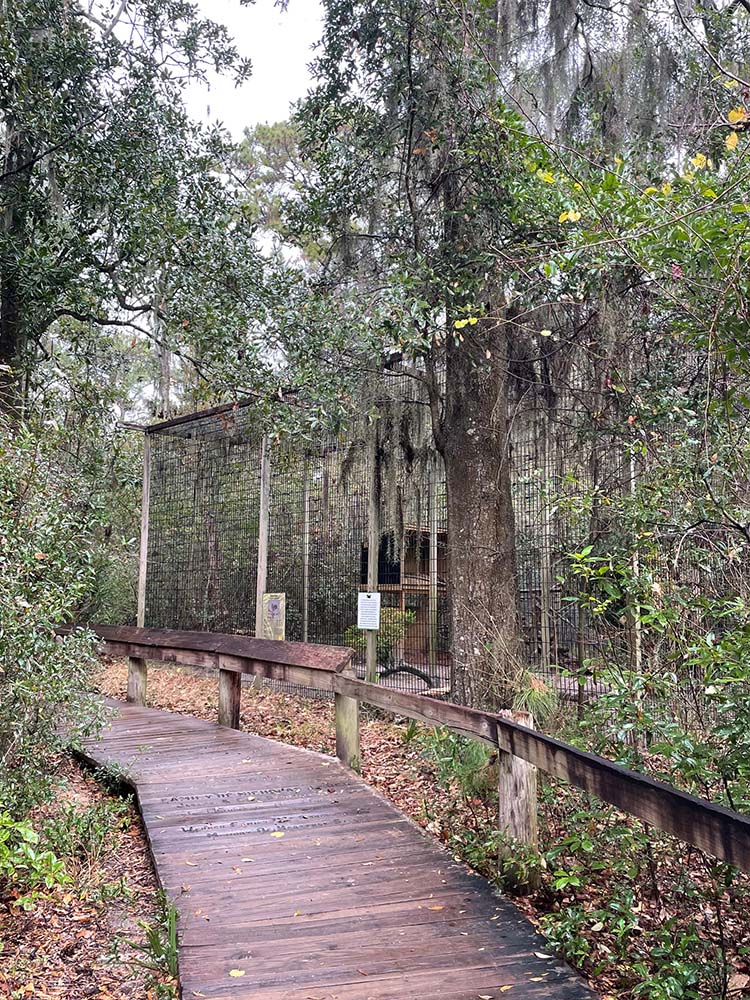
Birds of prey at Oatland Island Wildlife Center are powerful hunters specially adapted for life in the air. These birds, which include hawks, owls, and vultures, have sharp talons, curved beaks, and excellent eyesight that help them find and capture food. Many birds of prey play a vital role in their ecosystems by controlling rodent populations or cleaning up the environment as scavengers. Visitors may notice that these birds are often perched quietly, conserving energy, but their adaptations allow them to respond quickly when hunting or protecting their territory.
Deer
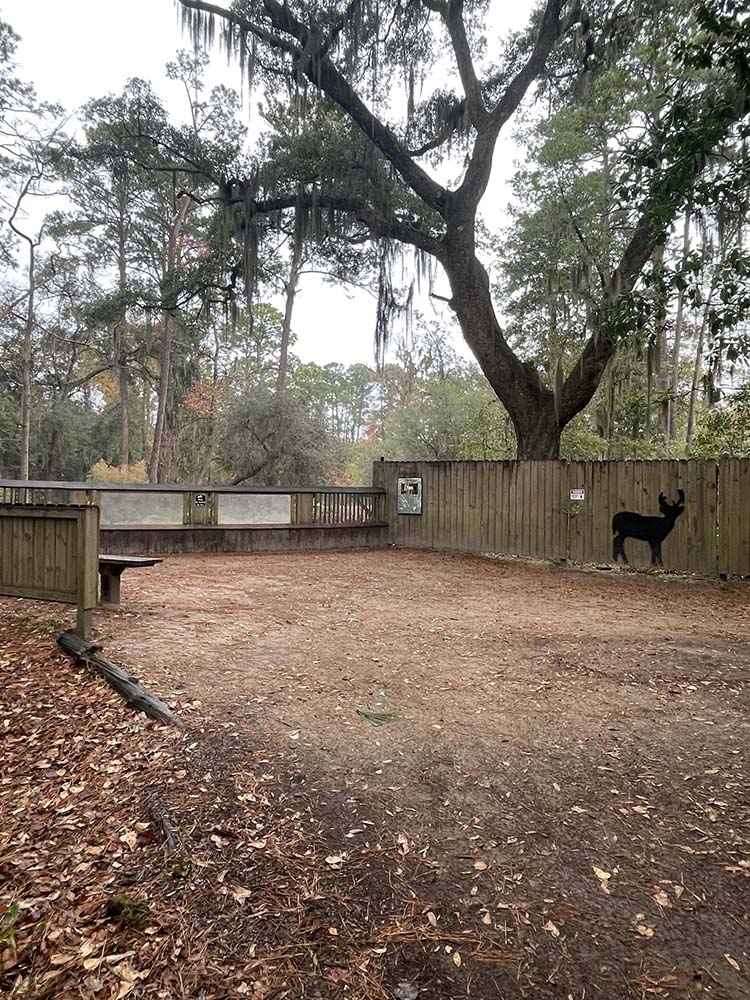
Deer at Oatland Island Wildlife Center are gentle herbivores commonly found in forests and open woodlands. They feed on grasses, leaves, and shrubs, and their grazing helps shape plant growth within their habitat. Deer have strong legs built for running and keen senses of hearing and smell that help them detect predators. Visitors may notice deer moving quietly through their enclosure or pausing to observe their surroundings, especially during the cooler parts of the day when they are most active.
Heritage Homesite
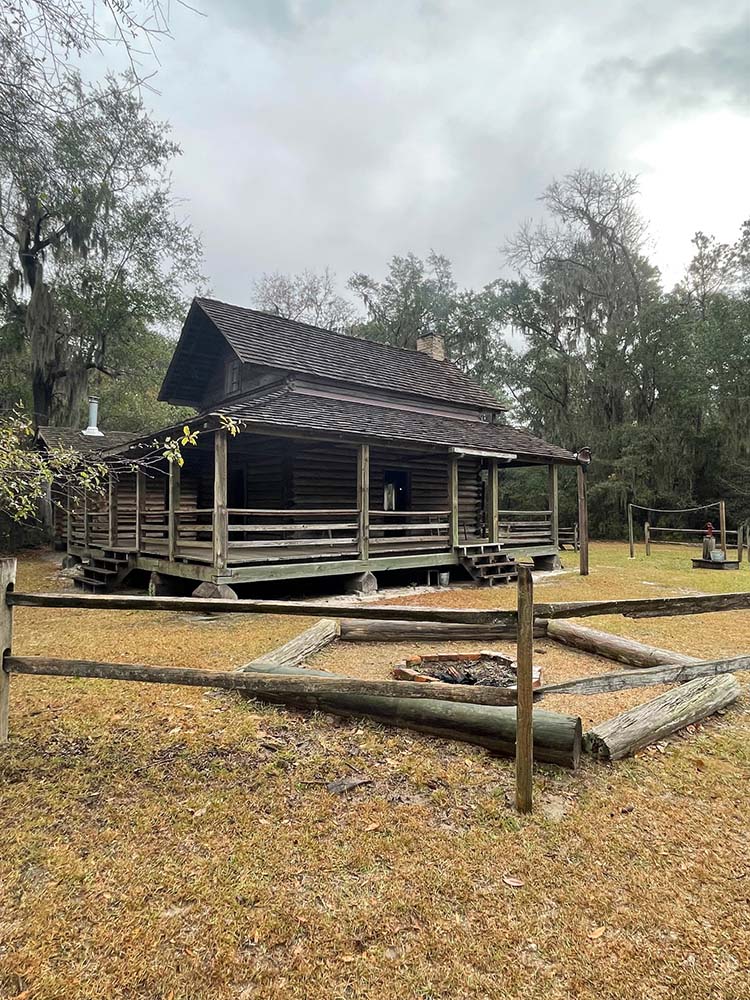
The Homesite at Oatland Island Wildlife Center offers visitors a glimpse into how people once lived on this land and relied on natural resources for daily life. This area highlights early structures, tools, and practices used for shelter, food, and work, showing how closely connected people were to their environment. By exploring the Homesite, visitors can better understand how human activities have shaped the landscape over time and why thoughtful stewardship is important to protect both natural habitats and historical sites.
Tornado Trail
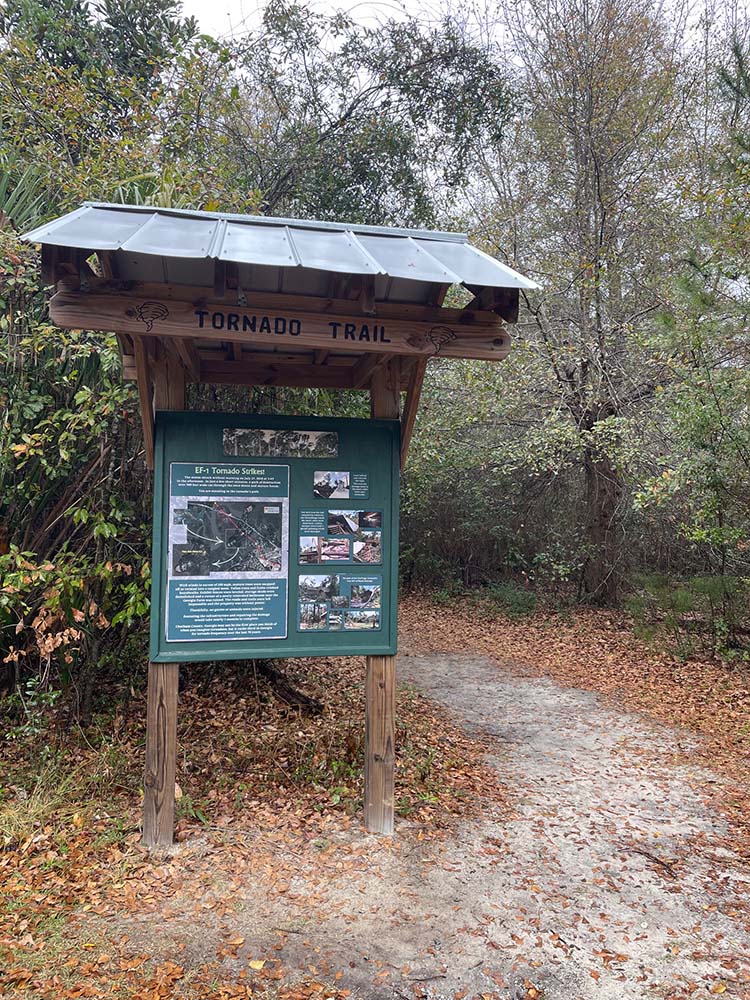
The Tornado Trail at Oatland Island Wildlife Center serves as a reminder of the powerful forces of nature and their impact on the environment. This trail highlights how severe weather can reshape landscapes, affect wildlife habitats, and influence how ecosystems recover over time. As visitors walk the path, they can observe changes in vegetation and learn about resilience in nature following natural disasters. The Tornado Trail encourages reflection on the importance of preparedness, conservation, and respect for the natural world.
Story Book Trail
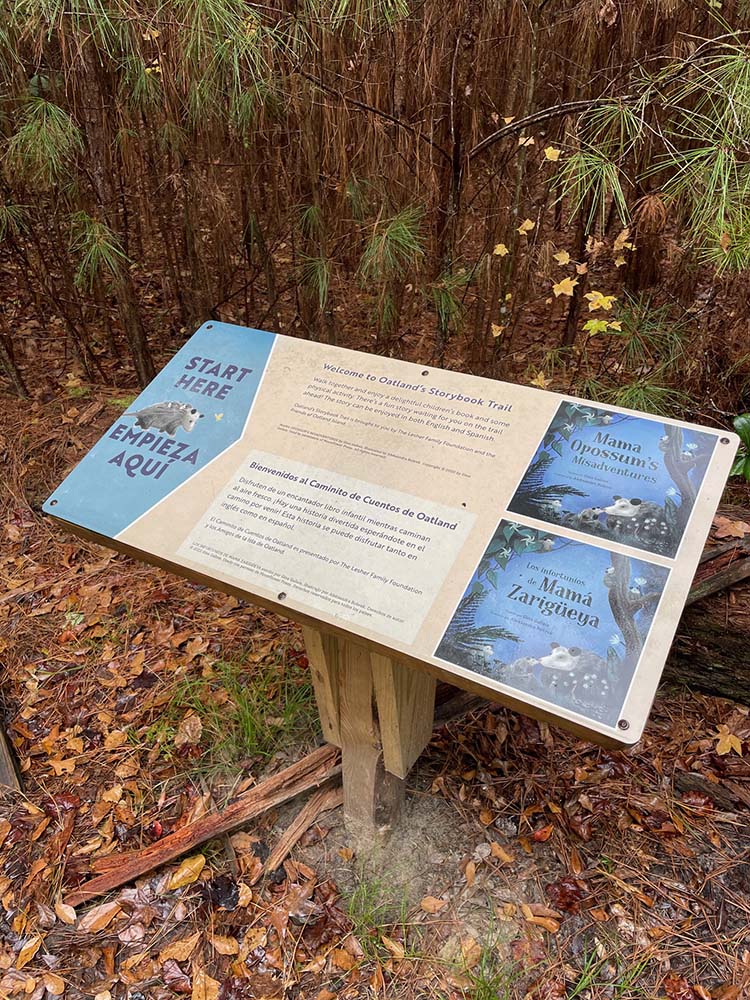
The Storybook Trail at Oatland Island Wildlife Center combines literacy and outdoor learning by inviting visitors to read a story as they walk through nature. Pages of a children’s book are displayed along the trail, encouraging families to move, read, and explore together. This experience helps strengthen reading skills while fostering curiosity about the natural environment. The Storybook Trail highlights how learning can happen anywhere and supports a love of reading, nature, and shared experiences outdoors.
Armadillo
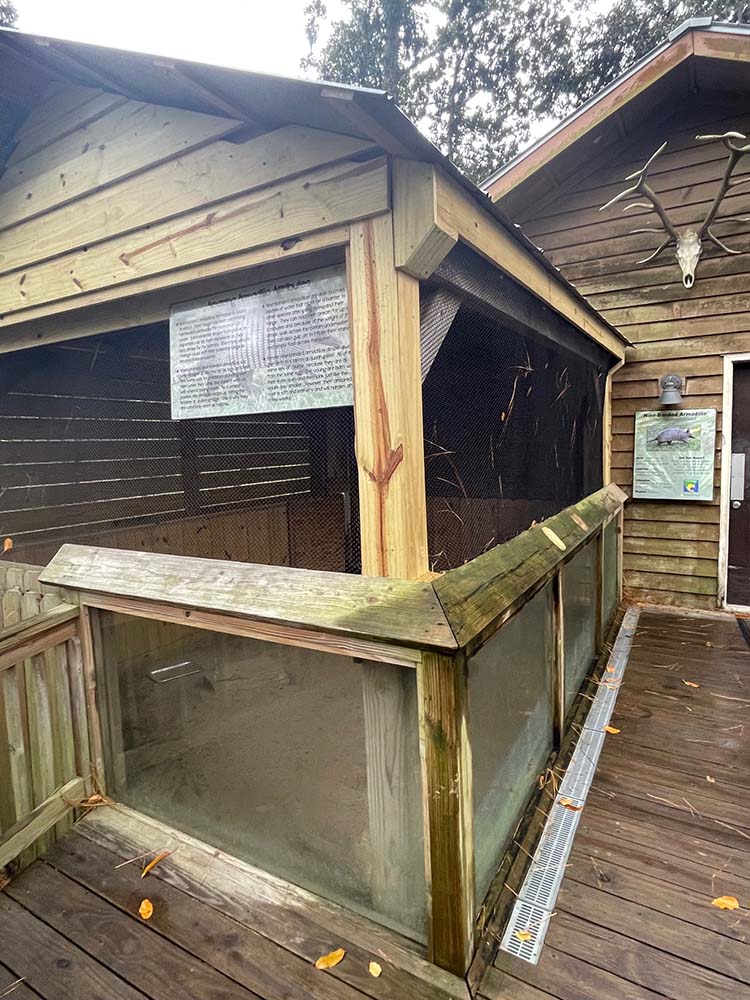
Armadillos are fascinating mammals known for their protective, armor-like shell made of bony plates. They are excellent diggers, using their strong claws to search for insects such as ants and beetles, which make up most of their diet. Armadillos have poor eyesight but a strong sense of smell that helps them locate food underground. As mostly nocturnal animals, they are often more active during the evening or cooler parts of the day, so visitors may notice signs of their digging even when the animal itself is resting.
Wolves
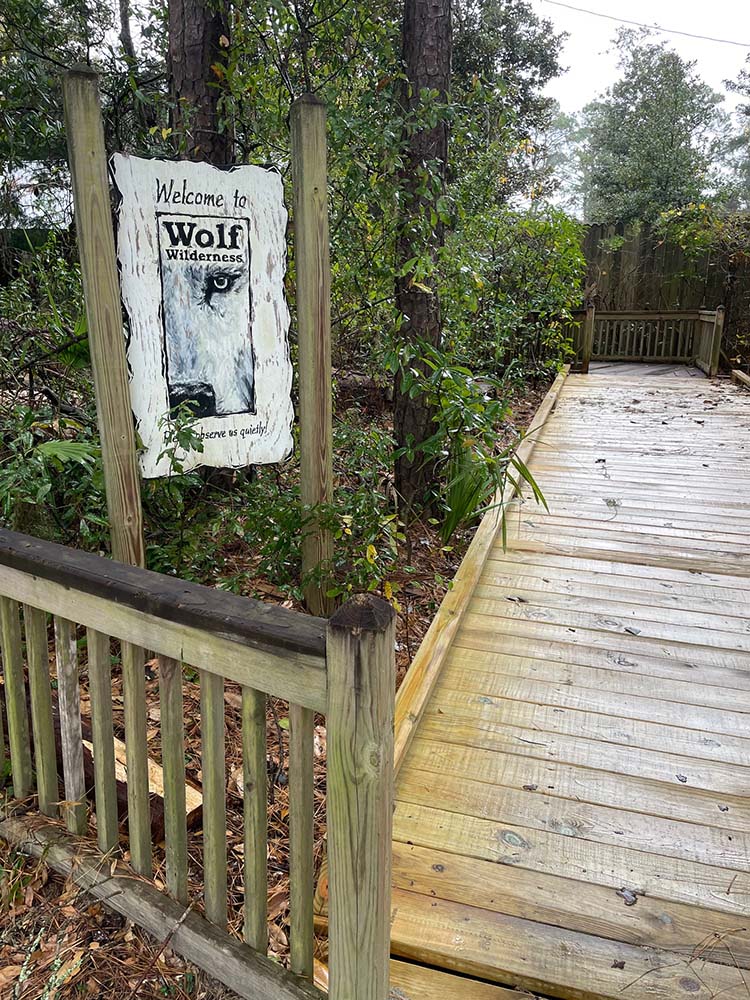
Wolves at Oatland Island Wildlife Center are highly social animals known for living and working together in family groups called packs. They communicate using howls, body language, and scent marking to maintain strong social bonds and coordinate activities. As apex predators, wolves play an important role in maintaining healthy ecosystems by helping regulate prey populations. Visitors may notice wolves interacting with one another or resting together, demonstrating the cooperation and structure that are essential to their survival.
Bison
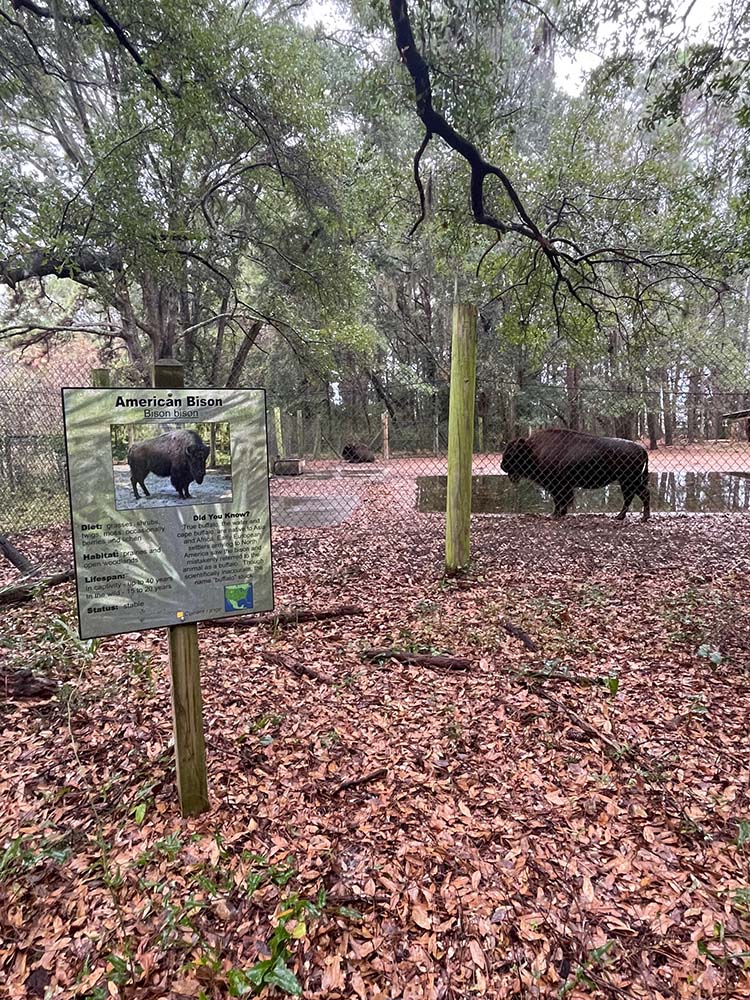
Bison at Oatland Island Wildlife Center are the largest land mammals in North America and are well adapted for life on open grasslands. Their thick fur helps keep them warm during colder months, while their strong muscles and broad hooves allow them to travel long distances in search of food. Bison are grazers, feeding mainly on grasses, and their movement across the land helps shape healthy grassland ecosystems. Although they may appear calm, bison are powerful and can move quickly, so visitors are encouraged to observe them from a safe distance.
Mud Kitchen
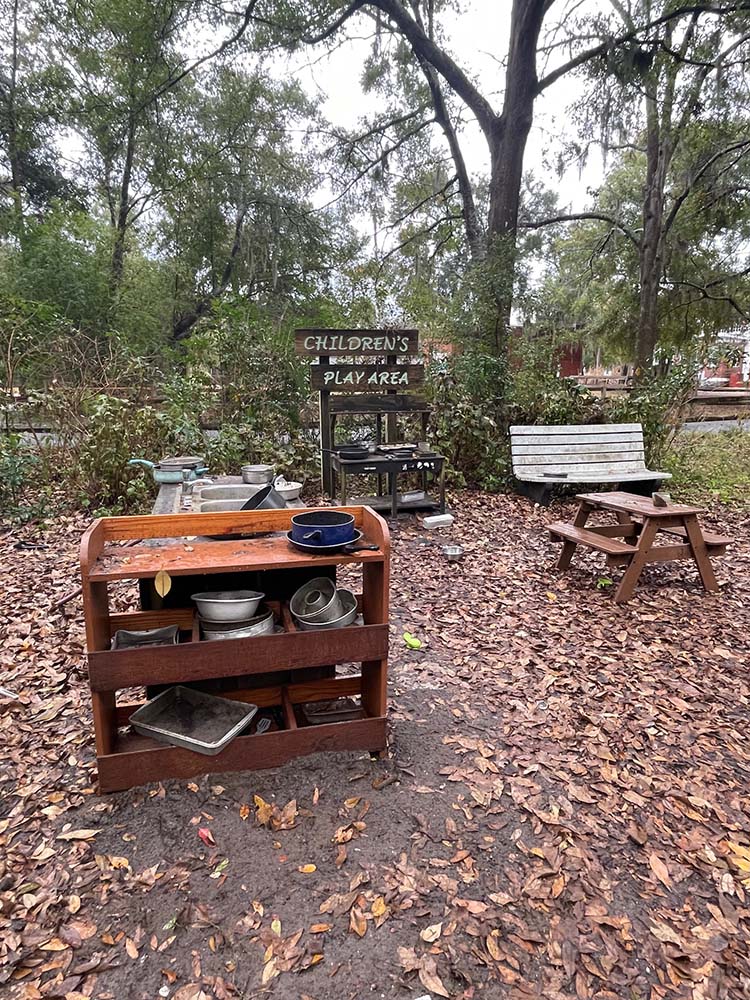
The Mud Kitchen at Oatland Island Wildlife Center is a hands-on learning space where children can explore nature through imaginative play and sensory experiences. Using natural materials such as soil, water, leaves, and sticks, visitors can mix, build, and create while developing problem-solving and fine motor skills. This area encourages curiosity, creativity, and an early connection to the natural world by allowing children to learn through exploration. The Mud Kitchen also helps visitors understand that play in nature supports learning, discovery, and a lifelong appreciation for the environment.
Gopher Tortoise
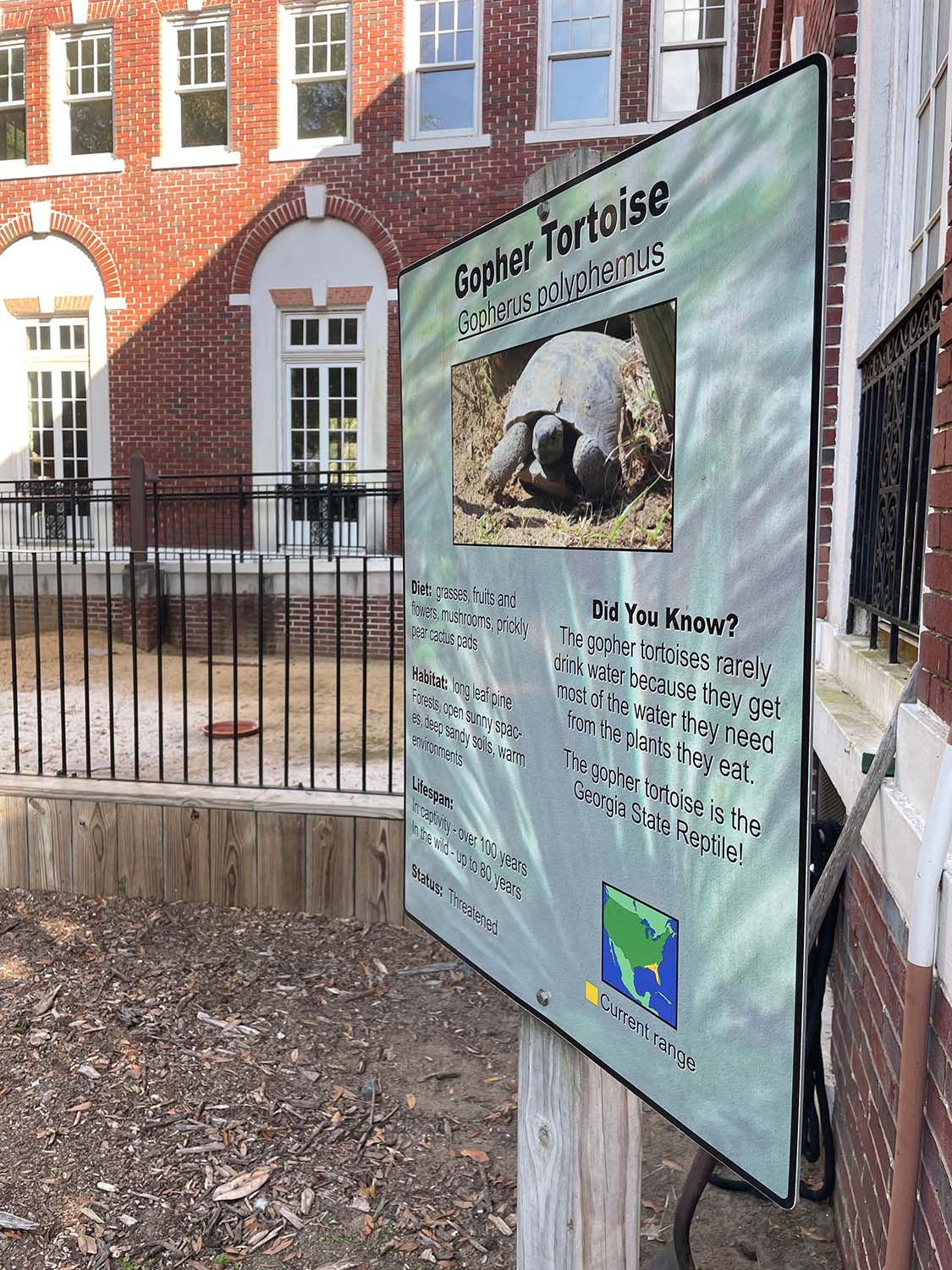
Gopher tortoises at Oatland Island Wildlife Center are keystone species that play an important role in their ecosystem. They dig long burrows that provide shelter for many other animals, including insects, frogs, snakes, and small mammals. Gopher tortoises are herbivores, feeding on grasses, fruits, and low-growing plants, and they rely on open, sunny habitats to regulate their body temperature. Because they grow slowly and live for many decades, protecting gopher tortoises and their habitats is essential for maintaining healthy ecosystems.
History
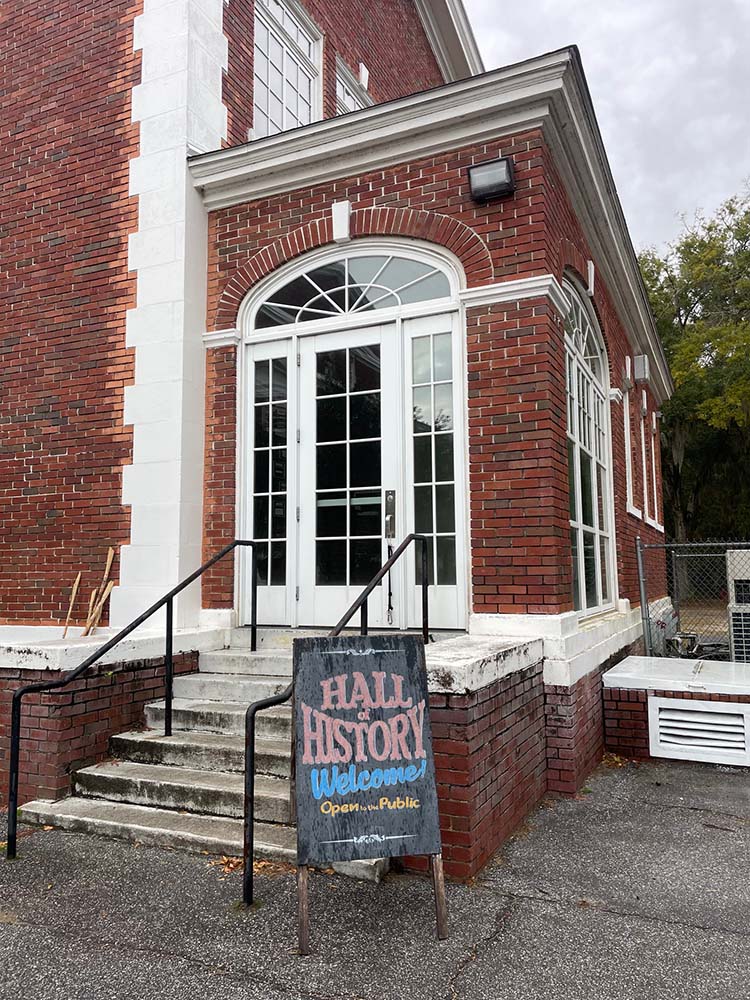
The History Hall at Oatland Island Wildlife Center highlights the rich natural and cultural history of the land and its connection to Georgia’s coastal environment. This space helps visitors understand how the island has changed over time and how people have interacted with and learned from the natural world. Through exhibits and artifacts, guests can explore the relationship between wildlife, conservation, and human stewardship. History Hall encourages visitors to reflect on the importance of protecting natural spaces so they can be enjoyed and studied by future generations.
Docks
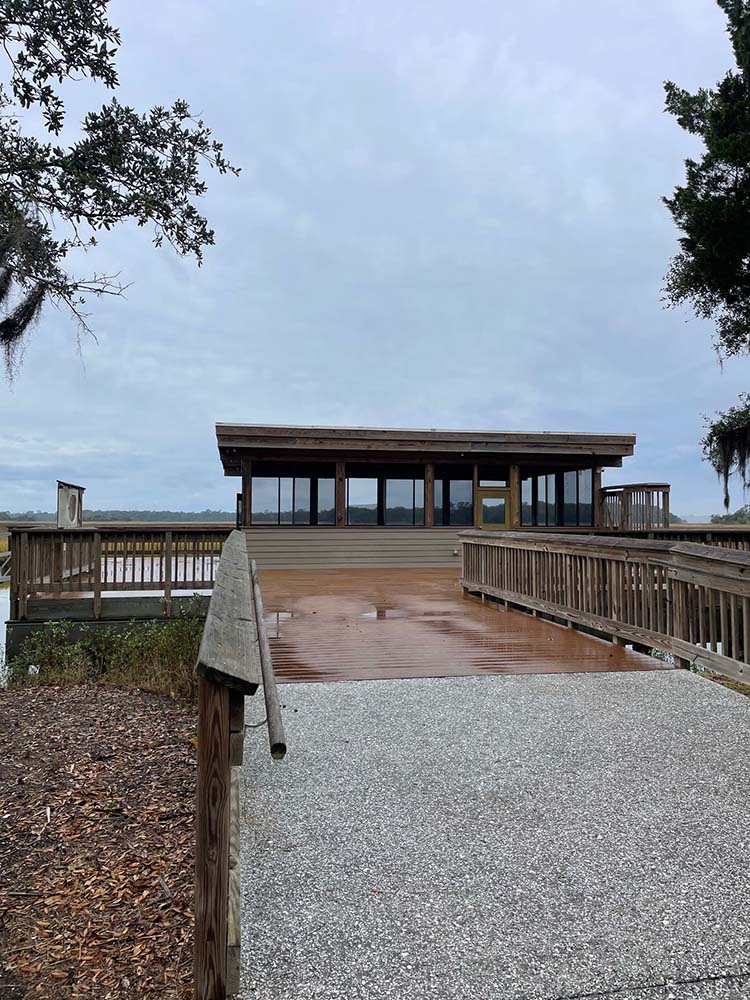
The docks at Oatland Island Wildlife Center offer visitors a closer look at coastal and wetland environments that are vital to Georgia’s ecosystems. These areas support a wide variety of plants and animals, including fish, birds, and reptiles, many of which depend on the water for food and shelter. Wetlands act as natural filters, helping to clean the water, reduce flooding, and protect shorelines from erosion. As you explore the docks, you may observe wildlife resting, feeding, or moving quietly through the water, highlighting the importance of protecting these delicate habitats.
Thank You
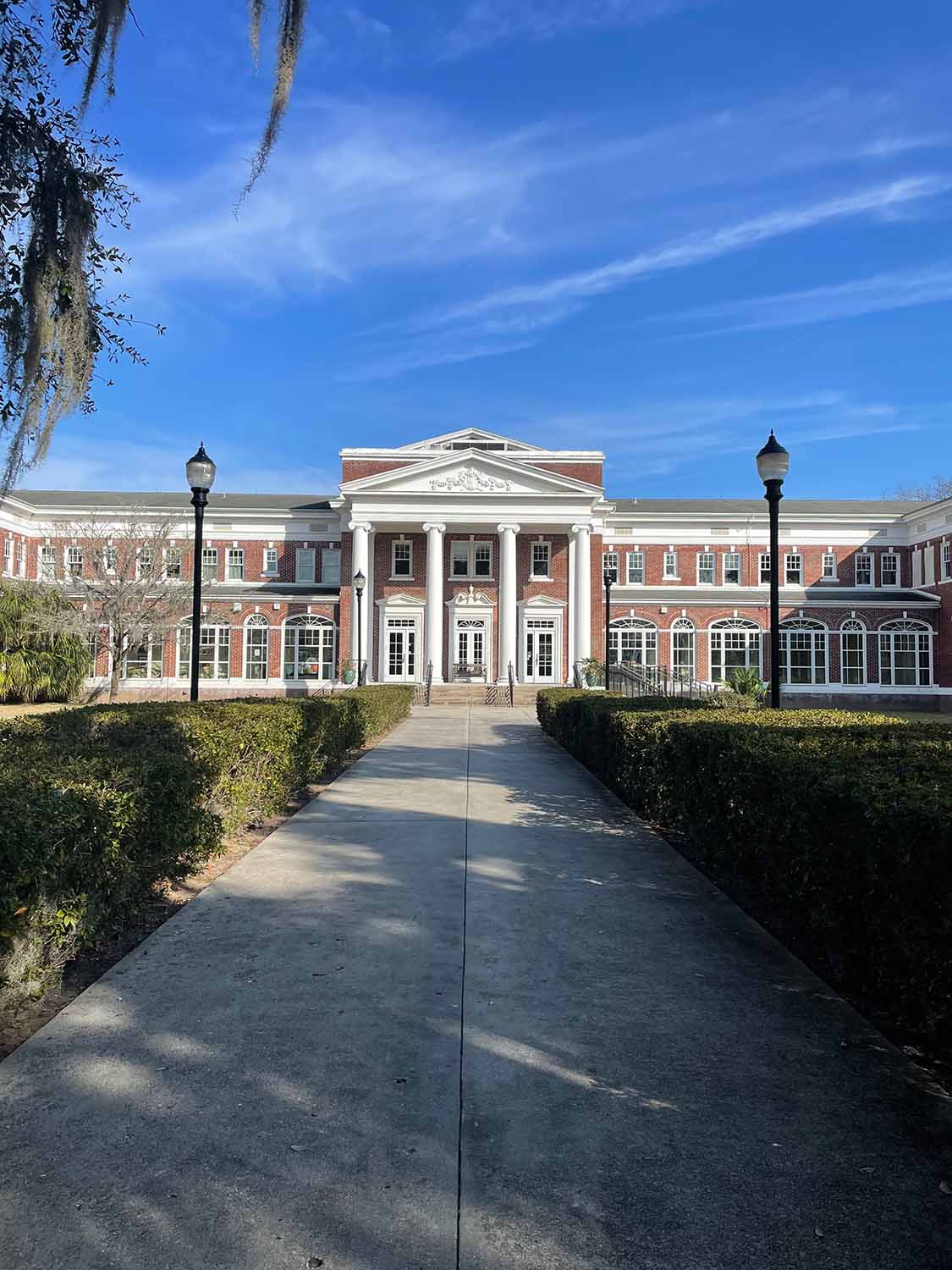
Thank you for visiting Oatland Island Wildlife Center and for being part of our mission to inspire curiosity, learning, and conservation. Your support helps us care for our animals, protect natural habitats, and provide meaningful educational experiences for visitors of all ages. We hope your time here has deepened your connection to wildlife and the natural world. We appreciate your respect for our animals and trails, and we look forward to welcoming you back again soon.